
No prior target required. Works for any compound class — small molecules, biologics, or molecular glues.
Each biopanning round enriches genuine binders and removes noise, converging on real targets iteratively.
Primary target identification data in one to two weeks at a fraction of the cost of MS-based approaches.
At MINIMUM bio we are focussed on building large libraries of rapamycin analogs (rapalogs) for three discovery pipelines in oncology, immunology and longevity.
These molecules are screened against phage-displayed libraries of human protein domains to rapidly and agnostically identify first-in-class targets in oncology and best-in-class rapalogs in immunology and longevity.
undisclosed TF Glue
MB2052
●●○○○
Discovery/Validation
Next-gen immunosuppressants
mTOR selective rapalogs
●○○○○
Discovery
Healthspan rapalogs
mTORC1 selective rapalogs
●○○○○
Discovery
At MINIMUM bio our expertise is in rapid and agnostic drug target identification for deconvolution of phenotypic screen, drug repositioning and off-target identification.
Another arm of the Mercurious platform is the generation of thousands to millions or rapamycin analogs, using FKBPs as chaperones to recruit clinically relevant hard-to-drug protein, unleashing the "undruggable" proteome.
Your Compound shows phenotypic activity but target identity is unclear? Mercurious resolves mechanism-of-action in days — turning pipeline risk into a developable candidate.
FKBP-recruiting rapalogs form ternary complexes with transcription factors, protein-protein interfaces, and transmembrane proteins inaccessible to conventional small molecules.
Mercurious provides proteome-wide screening that DEL-based and rational design approaches cannot — identifying which structural variants recruit FKBP12 to which targets.
Early partners gain preferred access to our growing FKBP12-recruiting compound library and co-invention rights on targets identified within agreed therapeutic areas.
At MINIMUM bio our team is 50% female, 80% PhDs.
We cover Chemistry, Molecular Biology, Pharmacology, Biophysics, PKS Engineering, Bioinformatics, Immunology, Deep Learning & Accounting/Finance
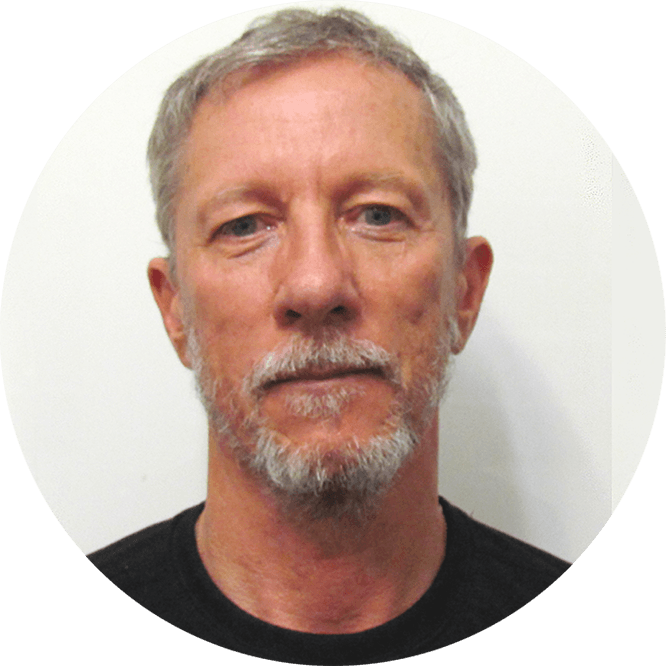
CEO & Co-founder
PhD Chemistry · USyd · 15 yrs phage display · 2× founder

CTO & Co-founder
PhD Chemistry · UCSF · PKS biosynthesis · UT Austin · 2× founder

Chief Scientist
PhD mRNA Biology · Vienna · Library construction & protein expression

Director of AI & Operations
PhD Physics · Hamburg · Deep Learning, ML & Bioinformatics

PKS Engineer
PhD Biochemistry · UT Austin · Rapamycin PKS modules

Immunology & Target Validation
PhD Immunology · U. Antioquia · Ex Molecular Templates

Senior Scientist
PhD Microbiology · UNSW · Phage Biology
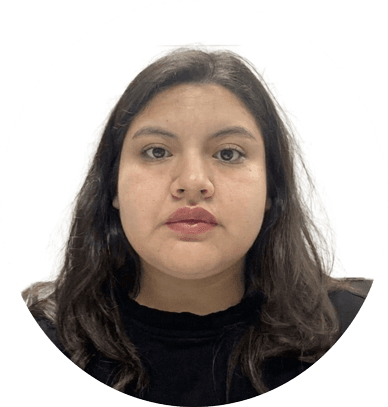
Scientist
BSc (Hon.) Molecular Biotechnology · Chile · Phage Display & biopanning

Scientist
MPhil CRISPR-based therapeutics · UAdelaide · Library Construction

NED & Chair, Finance and Accounting
BCom (UNSW) Finance and Accounting · UNSW · CEO and co-founder Scalare Partners

Illuminating the undruggable proteome.
© 2026 MINIMUM bio
+61 415 68 11 97
University of NSW, Sydney NSW
University of Texas, Austin TX